

Gynecomastia (Male Breast) Surgery
in Richmond Hill,
Consultations available
in English & Mandarin
With Dr. Jiayi Hu
可提供普通话眼部整形咨询

Dr. Jiayi Hu
Canadian Board Certified Plastic Surgeon
| Chinese/Mandarin spoken | Richmond Hill / GTA

Table of Contents:
— What is Gynecomastia Surgery?
— Price
— Recovery
What is Gynecomastia (Cosmetic Operation)?
Gynecomastia (male breast reduction surgery) consists of a breast reduction surgery performed on men who have an excess of mammary glands, either due to hormonal, pharmacological, obesity or drug use causes.
The procedure is usually performed under anesthesia in an accredited surgical facility. Some patients may require extended recovery monitoring depending on the case.
Among the common causes of this problem, the following can be mentioned:
- • Poor estrogen metabolism
- • Hormonal problems
- • Weight Gain
- • Hereditary conditions
- • Diseases such as liver disease
- • The effect of some drugs
- • Use of over-the-counter or experimental drugs, including anabolic steroids
- • Marijuana
- • Accumulation of fat and obesity
Why Grand Genesis?
-
One of Ontario’s larger private plastic surgery centres, located in Richmond Hill, offering consultation, surgical care, and recovery support in one fully equipped state of art facility
-
2 Fully Equipped Operating Rooms – 15 Recovery Beds for Overnight Stays
-
15 Plastic Surgeons (Guest & In house) – 30 Nurses
-
Short waiting times for consultation and surgery, subject to surgeon availability
Gynecomastia Correction Done by Following Surgeons:

Dr. Jiayi Hu
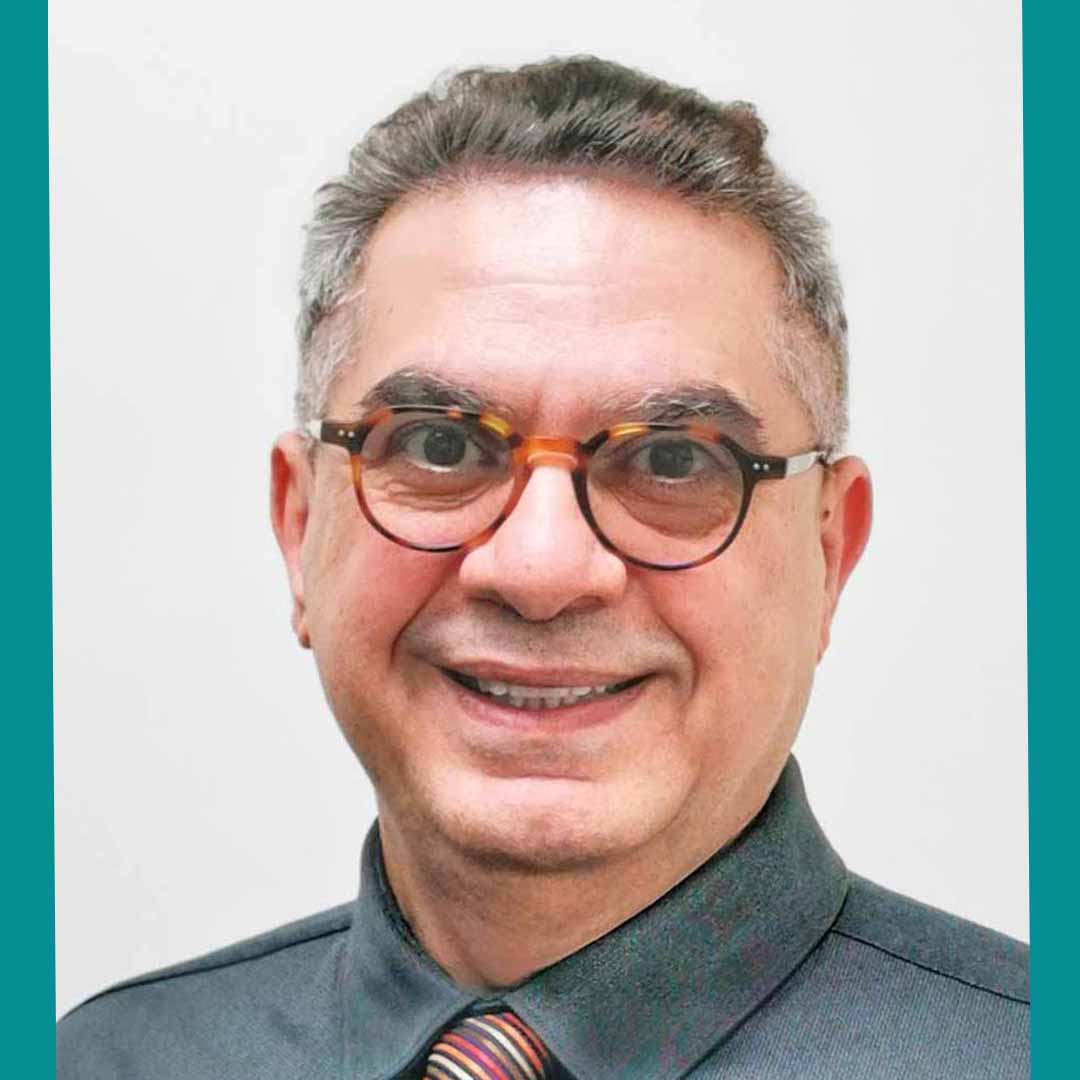
Dr. Bram Shahi
Click on their images to read more about them and their background.
Cost & Price
$4,500-$9,000, Our surgeon can give you an exact estimate of the cost after examination & talking with you.
Who is a Good Candidate?
Men with enlarged or asymmetric breast tissue may be candidates for gynecomastia surgery after assessment by a plastic surgeon. For patients who have not completed puberty, surgery is usually postponed unless a plastic surgeon determines that treatment is appropriate. In many cases, it is suggested to wait until around age 18, when hormonal changes have stabilized. The hormonal fluctuations that occur with puberty become regular on their own within a few years, and breast growth may stop.
So you are a good candidate for Gynecomastia if:
- • You are physically healthy.
- • You have realistic expectations after the surgery.
- • Your breast size is fully grown.
- • You are not a smoker or drug user.
The Procedure
Preparation Before the Surgery
Before the operation, a medical examination will be performed on the patient to ensure that he is in a compatible state of health to undergo surgery under general anesthesia.
The operation consists of making a small incision around the areola to eliminate the accumulations of fat and mammary glandular tissue, achieving a firm and flat-looking chest. If the problem of the breasts is only an excess of fatty tissue, the intervention will be carried out through a small incision using a liposuction technique based on the suction of fat through a hollow cannula attached to a vacuum pump. The scars of this intervention are not visible, and the results are typically long-lasting, but outcomes vary depending on anatomy, skin quality, healing, and lifestyle.
Recovery
After Gynecomastia Surgery
The postoperative period consists of absolute rest for 48 hours after surgery, in a semi-reclined position. In the first days, the patient may feel discomfort, and for two weeks should avoid physical activities. He will also have to wear a special girdle for up to 30 days after the operation.
Possible complications
Gynecomastia surgery is generally considered safe when performed by a qualified plastic surgeon in an accredited facility, but like all surgical procedures, it carries possible risks and complications.
- • Swelling (edema)
- • Bruising somewhere on the chest
- • Pain and discomfort
- • Numbness of the treated areas
- • Hematoma (collection of blood)
- • Seroma (fluid accumulation)
- • Infection
- • Asymmetries
Or some rare complications such as:
- • Changes in nipple sensation can be temporary or permanent.
- • Damage to deeper structures, such as nerves, blood vessels, muscles, and lungs, can be temporary or permanent.
- • Deep vein thrombosis, cardiac and pulmonary complications.
- • Fatty tissue in the breast may die (fat necrosis)
- • Persistent pain
- • Poor wound healing
- • Possibility of revision surgery.
- • Unfavorable scars

How to Get Rid of Puffy Nipples for Men: A Comprehensive Guide
How to Get Rid of Puffy Nipples for Men Are [...]

Gynecomastia vs. Chest Fat: Understanding the Key Differences
Navigating the world of male chest concerns can be overwhelming, [...]
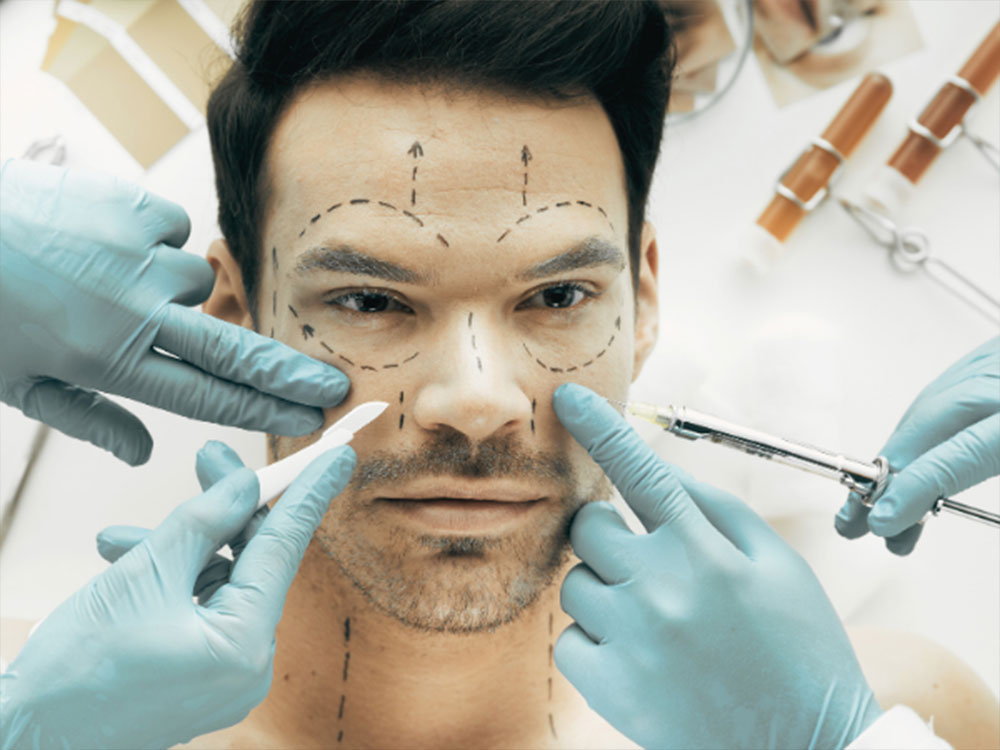
Male Plastic Surgery | Plastic Surgery for Men in Toronto and GTA
Men of every age are choosing to improve or restore [...]

Attractive Male Body Shape
Most Attractive Male Body Shape According to recent studies, the [...]

Leave A Comment