

Blepharoplasty (Eyelid Lift)
in Richmond Hill,
Consultations available
in English & Mandarin
With Dr. Jiayi Hu
可提供普通话眼部整形咨询

Dr. Jiayi Hu
Canadian Board Certified Plastic Surgeon
| Chinese/Mandarin spoken | Richmond Hill / GTA
What is Blepharoplasty?
Blepharoplasty, commonly known as eyelid surgery or an eyelid lift, is a surgical procedure that can improve the appearance of the upper eyelids, lower eyelids, or both.
Upper eyelid surgery may address excess skin, heaviness, or puffiness that can make the eyes appear tired or aged. In some patients, excess upper eyelid skin may also interfere with peripheral vision.
Lower eyelid surgery may reduce under-eye bags, puffiness, excess skin, and other visible signs of aging around the lower eyelids.
The procedure is customized according to each patient’s eyelid anatomy, facial proportions, concerns, and goals. The objective is to create a more rested and refreshed appearance while preserving natural facial features.
An in-person consultation is necessary to determine whether blepharoplasty is appropriate and which surgical approach may provide the best result.
Upper and Lower Eyelid Surgery
Upper Blepharoplasty
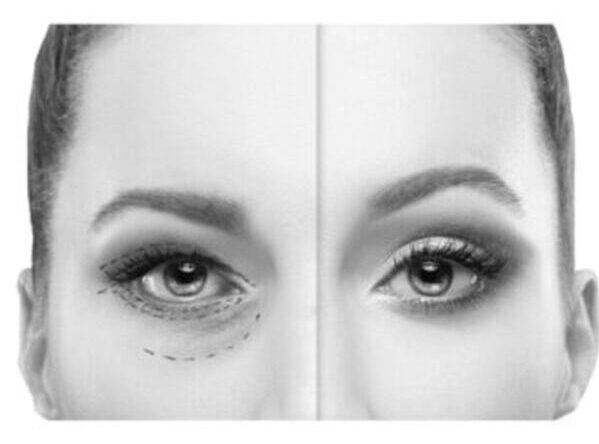
Upper blepharoplasty is designed primarily to address excess skin, heaviness, or puffiness of the upper eyelids. The incision is generally placed within the natural upper eyelid crease, helping it become less noticeable as it heals.
Depending on the patient’s anatomy, the surgeon may carefully remove or adjust excess skin and underlying fat to improve the upper eyelid contour.
Lower Blepharoplasty
Lower blepharoplasty is designed primarily to address under-eye bags, puffiness, prominent fat, and excess lower eyelid skin.
Depending on the patient’s needs, the incision may be placed just below the lower eyelashes or inside the lower eyelid. Lower eyelid fat may be removed, repositioned, or redistributed to create a smoother contour.
Combined Upper and Lower Blepharoplasty
Some patients may benefit from having upper and lower eyelid surgery during the same surgical session. Dr. Hu will determine whether a combined procedure is appropriate after examining your eyelids and discussing your goals.
Who May Be a Good Candidate for Eyelid Surgery?
You may be a candidate for blepharoplasty if you are concerned about one or more of the following:
- – Excess or drooping upper eyelid skin
- – Upper eyelid heaviness or puffiness
- – Persistent under-eye bags
- – Puffiness beneath the eyes
- – Excess or wrinkled lower eyelid skin
- – A tired or aged appearance around the eyes
- – Upper eyelid skin that may interfere with peripheral vision
Suitable candidates are generally in good health, have realistic expectations, and do not smoke or are prepared to stop smoking as instructed before and after surgery.
Dry-eye symptoms, thyroid eye disease, glaucoma, previous eye surgery, vision problems, bleeding disorders, and other medical conditions must be discussed during the consultation. Having one of these conditions does not necessarily mean that surgery is impossible, but further assessment or medical clearance may be required.
Dr. Hu will review your medical history, medications, eye health, eyelid anatomy, and goals before determining whether surgery is appropriate for you.

Typical Upper Blepharoplasty Incision Placement
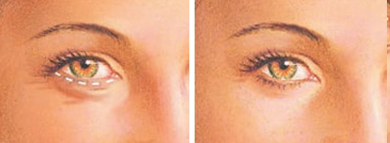
Possible Lower Blepharoplasty Incision Placement
Incision placement and surgical technique vary according to the patient’s anatomy and individualized treatment plan.
How Is Eyelid Surgery Performed?
Eyelid surgery is performed using a treatment plan customized to the patient’s anatomy, concerns, and the areas being treated.
Upper Eyelid Surgery
For upper blepharoplasty, the incision is generally placed within the natural upper eyelid crease. The surgeon carefully removes or adjusts selected skin and, when appropriate, underlying fat to improve the eyelid contour.
Lower Eyelid Surgery
For lower blepharoplasty, the incision may be placed just below the lower eyelashes or inside the lower eyelid. Depending on the patient’s anatomy, under-eye fat may be removed, repositioned, or redistributed. Excess skin may also be addressed when necessary.
The incisions are carefully closed. Their position is selected to help the resulting scars blend with the natural eyelid contours as healing progresses.
Blepharoplasty may be performed using local anesthesia with sedation or another appropriate anesthesia plan. The recommended option depends on the extent of surgery, the patient’s health, comfort, and the surgeon’s assessment.
The duration of surgery varies depending on whether the upper eyelids, lower eyelids, or both are being treated and whether another procedure is being performed at the same time.
During your consultation, Dr. Hu will explain the recommended surgical approach, incision placement, anesthesia plan, expected recovery, and possible risks.
Eyelid Surgery Recovery
Bruising, swelling, tightness, temporary dryness, watering, sensitivity, or mild irritation may occur during the early recovery period. These symptoms generally improve gradually, but recovery varies from patient to patient.
Many patients feel comfortable returning to non-strenuous work and social activities after approximately 7 to 14 days. However, some swelling or bruising may remain visible for longer.
During recovery, patients may be instructed to:
- Use cold compresses as directed
- Keep the head elevated, including while sleeping
- Use prescribed ointments, medications, or eye drops
- Avoid rubbing or placing pressure on the eyes
- Avoid strenuous exercise and heavy lifting temporarily
- Protect the eyes and healing incisions from sun exposure
- Attend all scheduled follow-up appointments
Dr. Hu will provide personalized instructions about driving, reading, screen use, contact lenses, makeup, work, exercise, and other activities.
Results become more apparent as swelling subsides. Incision lines usually continue to soften and mature over time.
Individual healing times and results vary.
Risks and Possible Complications
All surgical procedures involve risks. Possible risks and complications of eyelid surgery may include:
- – Bleeding
- – Infection
- – Delayed wound healing
- – Temporary or persistent dry-eye symptoms
- – Eye irritation, watering, or sensitivity to light
- – Temporary blurred or double vision
- – Noticeable or unfavourable scarring
- – Asymmetry
- – Difficulty closing the eyes completely
- – Changes in eyelid position
- – Temporary or persistent numbness
- – Anesthesia-related complications
- – Dissatisfaction with the cosmetic result
- – Need for additional or revision surgery
Rare but serious eye or vision complications are also possible.
Dr. Hu will explain the risks relevant to your health, eye history, anatomy, and proposed procedure before you decide whether to proceed.
Patients should seek urgent medical attention for severe eye pain, sudden changes in vision, significant bleeding, or any symptom identified as urgent in their postoperative instructions.
Eyelid Surgery Pricing
Upper Blepharoplasty — Starting from $4,000
Lower Blepharoplasty — Starting from $7,000
Asian Eyelid Blepharoplasty — $4,500–$6,000
Eye-Cheek Bag Treatment — $4,000–$7,000
The prices shown are estimates and may vary depending on the complexity and extent of surgery, the selected surgical approach, anesthesia requirements, facility fees, and whether procedures are combined.
The quoted surgical fees include the surgeon’s fee, anesthesia, facility fees, and standard postoperative follow-up appointments. Applicable taxes are not included and will be added to the final cost.
Following an examination and discussion of your goals, the surgeon will provide an individualized treatment plan and quotation.
Why Choose Grand Genesis for Eyelid Surgery?
- – Consultation with a Canadian board-certified plastic surgeon
- – Consultations available in English and Mandarin
- – Personalized upper and lower eyelid surgery planning
- – Asian eyelid surgery consultation available
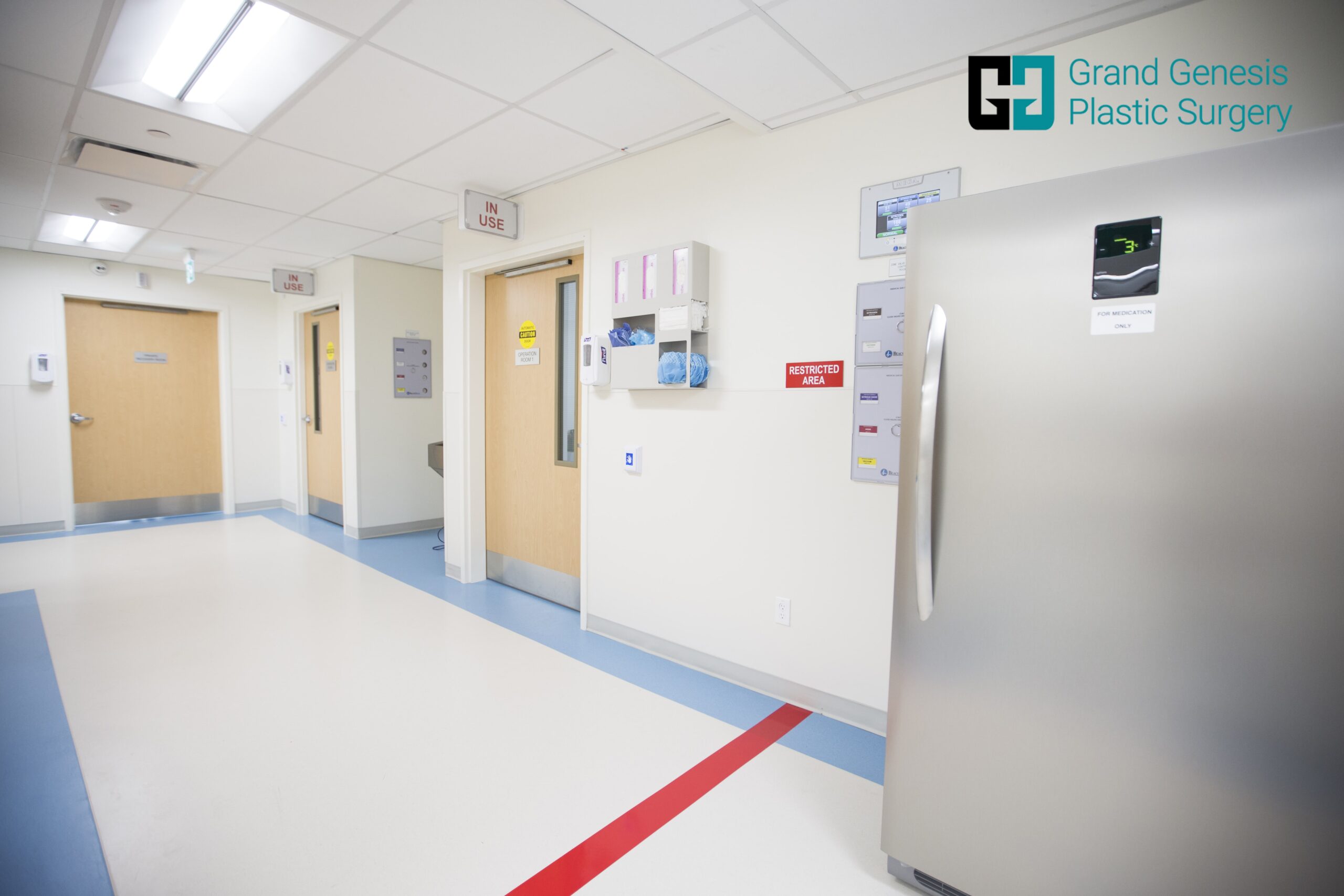
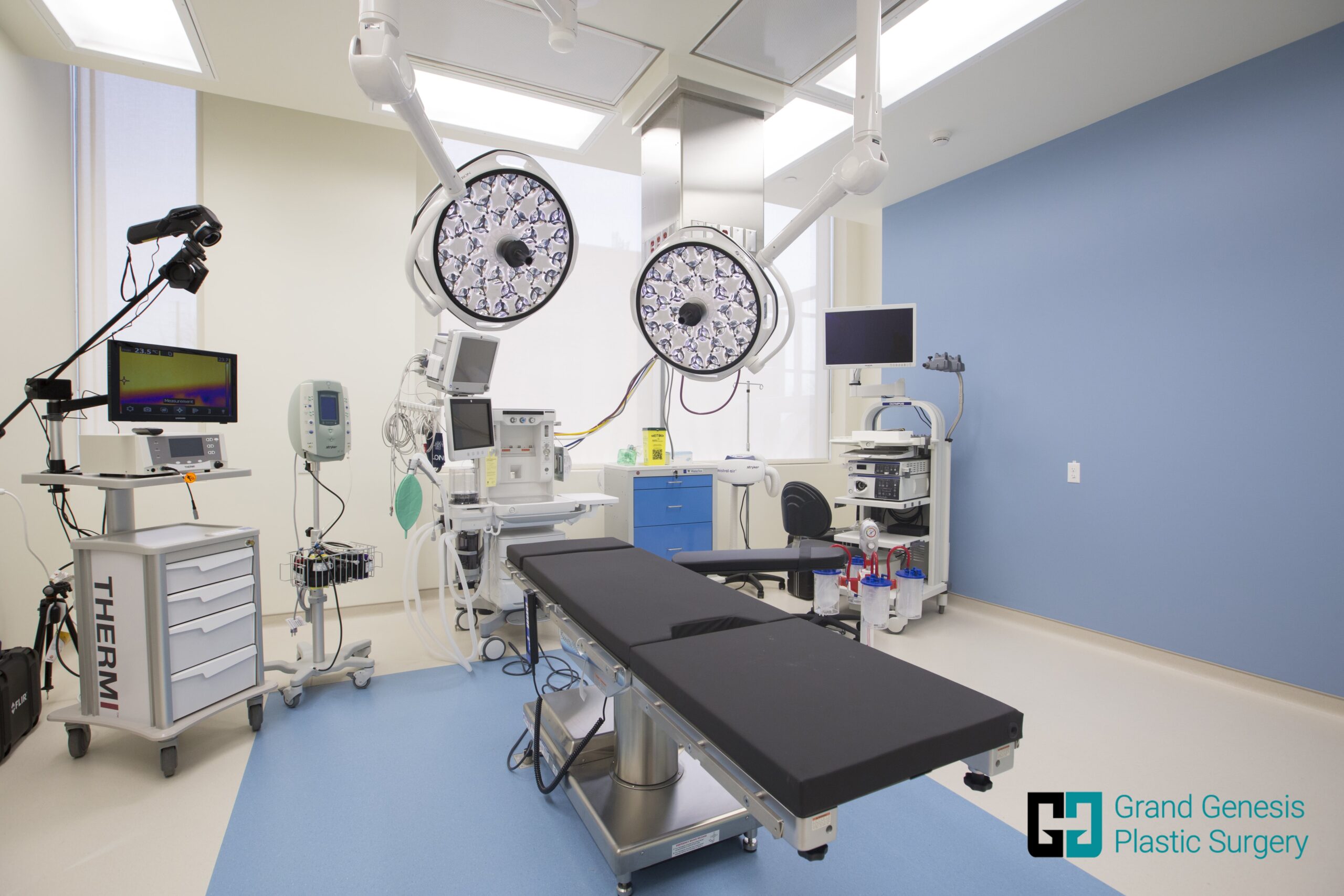
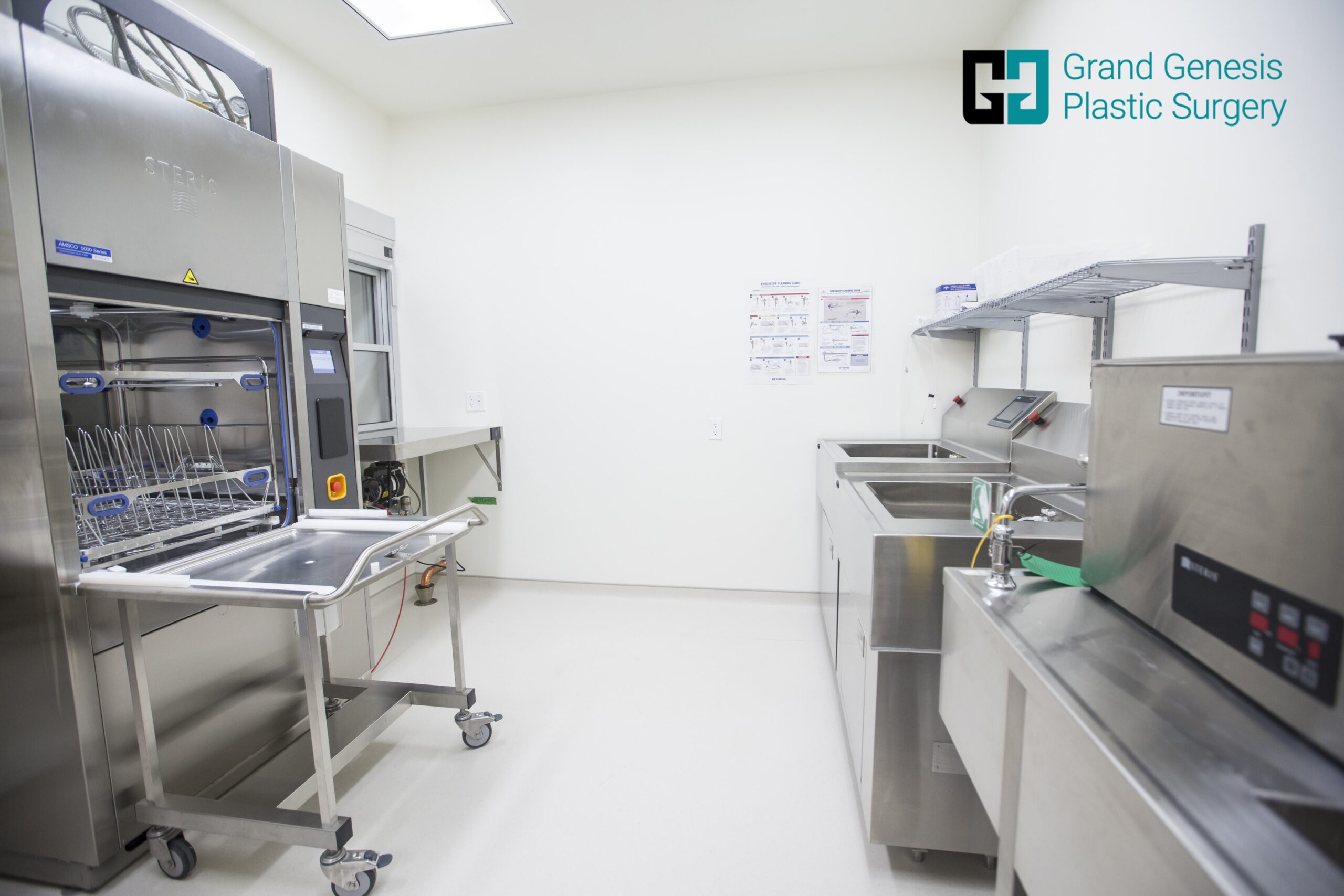
- – Fully equipped surgical facility in Richmond Hill
- – Convenient location for patients from Richmond Hill, Markham, North York, Toronto, and the Greater Toronto Area
- – Clear preoperative and postoperative instructions
- – Follow-up care provided according to the patient’s surgical plan
Every surgical recommendation is made following an individual assessment. Treatment requirements, recovery, and results vary from patient to patient.



FAQ – Frequently Asked Questions
Schedule Your Eyelid Surgery Consultation
Meet with Dr. Jiayi Hu to discuss upper blepharoplasty, lower blepharoplasty, Asian eyelid surgery, or a combined treatment plan.
Your consultation will include an assessment of your eyelid anatomy, concerns, goals, medical history, treatment options, expected recovery, possible risks, and estimated cost.
Consultations are available in English and Mandarin.
可提供普通话眼部整形咨询
Grand Genesis Health (Plastic Surgery Dep’t)
9080 Yonge Street, Unit 12
Richmond Hill, Ontario L4C 0Y7
Related articles

Differences Between Under-Eye Light Filler and Fat Grafting
Dark circles, hollow under eyes, and that “tired look” are [...]

How Much Does Blepharoplasty Cost in Ontario, Canada? Your Complete Guide
Are you considering blepharoplasty to rejuvenate your eyes and enhance [...]
Is it Worth Getting Eyelid Surgery?
Is it Worth Getting Eyelid Surgery? Have you ever found [...]
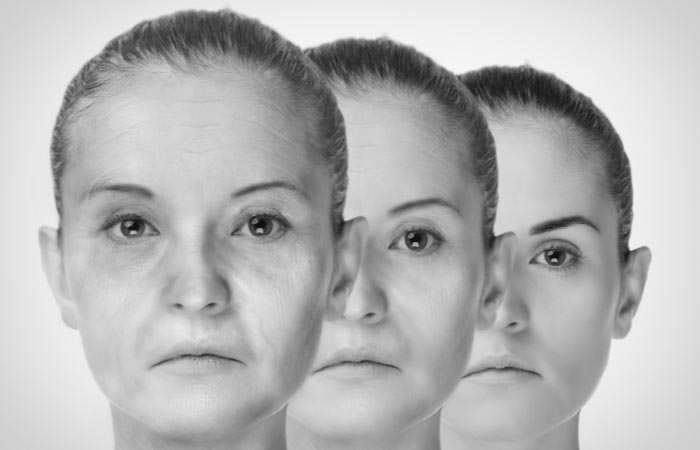
When Does Your Face Change the Most?
At what age does your face change most? As we [...]
Will Eyelid Surgery Make You Look Younger?
Will Eyelid Surgery Make You Look Younger? Eyes are often [...]

How Long Does It Take to Heal After Eyelid Surgery?
Embarking on the path of eyelid surgery, or blepharoplasty, is [...]

Leave A Comment